Buy well, run it properly, and hold on.
That's the whole plan. The rest of this page explains why we think it works, and why we do it in small towns instead of big cities.
A plain business that keeps working in good years and bad ones.
People rent a storage unit when they move, marry, divorce, downsize, inherit a houseful of furniture, or run out of garage. Those things happen whether the economy is booming or not, which is a big part of why storage has a reputation for steady demand through good times and bad.
The buildings themselves are simple. Steel, concrete, roll-up doors and a gate. There are no kitchens or toilets, and no one calls at midnight about a leaking water heater. A well-run facility needs very little staff and not much capital once it's built.
And it's hard to add new supply in a small town. The math on building a new facility rarely works where rents are modest, so the facilities that already exist tend to stay useful for a very long time.
The facilities the institutions drive past.
Big buyers want three years of tidy financials, full automation and a metro address. Most independent facilities don't look like that, and that's exactly why we like them.
A town, not a metro
Facilities that serve a small or mid-sized community. We buy nationwide, with a focus on Colorado, Idaho, Indiana, Nebraska, Texas and Wyoming.
Drive-up and simple
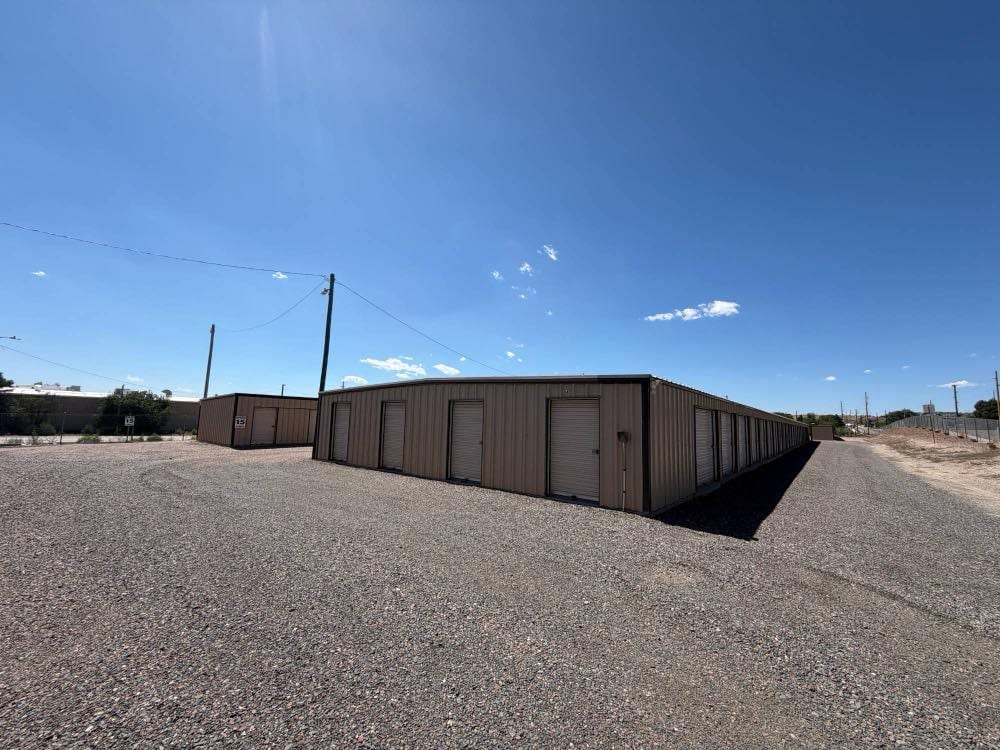
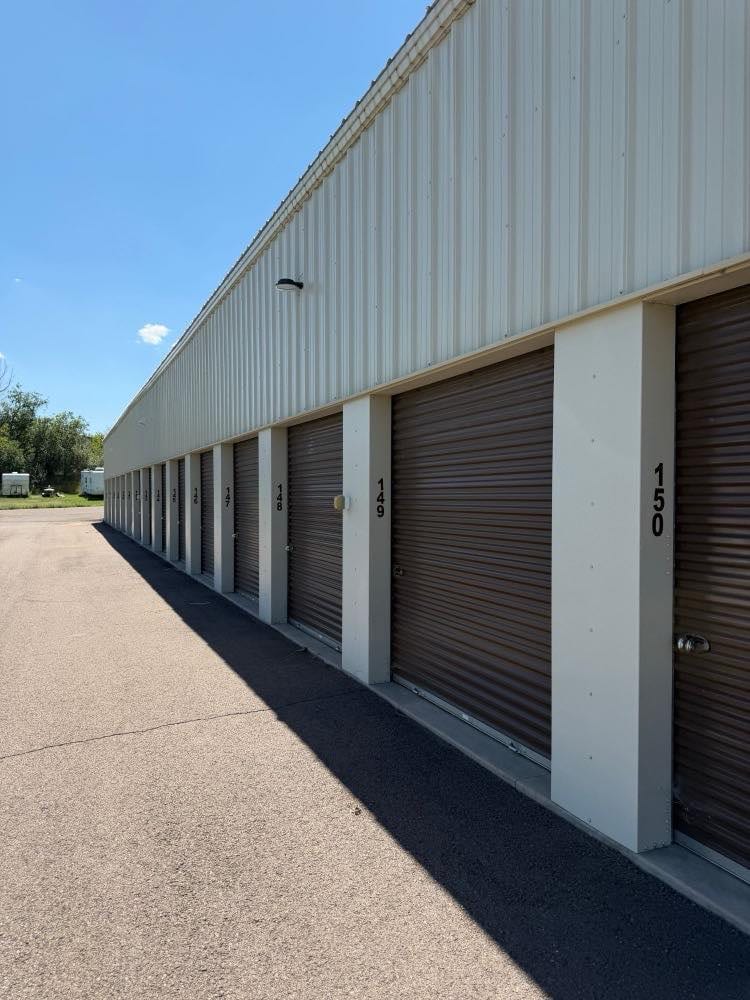
Single-story buildings, numbered doors, a gravel or paved drive. Nothing fancy, and nothing that needs to be.
Owner-operated
Usually run by the person who built or bought it long ago, often with no website and rents that haven't moved in years.
None of that is a criticism. A facility that has been run simply and paid off long ago is usually a well-built one. It just means the value is in what it could do, not only in what it does today.
Proven improvements, made carefully.
We don't gut a facility or raise rents on everyone at once. We make the changes that well-run operators have been making for years, at a pace that keeps good tenants.
- 1
Bring rents up to market, gradually
Many owners haven't raised rents in five or six years. We compare every unit size to what nearby facilities charge and close the gap over time, not overnight.
- 2
Let people rent and pay online
Most tenants today look for storage on their phone. A proper listing, online rentals and autopay fill empty units and cut down on late payments.
- 3
Add tenant protection and sensible fees
A tenant protection plan and consistent late fees are standard at larger facilities and simply missing at most independent ones.
- 4
Fix what's overdue
A new gate, better lighting, cameras, fresh signage. We usually budget for these before we make an offer, so the seller doesn't have to.
- 5
Manage it like a business
Clear books, a monthly review and one set of software across every facility. That's how a portfolio stays easy to run as it grows.
A conversation beats an auction.
When a facility is listed with a broker, it goes to whoever bids highest, and often to a buyer whose loan falls through at the last minute. When we buy direct, we can sit down with the owner and work out something that actually suits them, whether that's all cash, payments over time, or a mix of the two.
Offering seller financing is a big part of that. It helps owners who've held a facility for decades keep more of the sale after taxes, and it lets us buy without a bank setting the terms. That works for us, and it can work well for the owner.
We want to own these for a long time.
Plenty of investors buy, fix and sell within a few years. We'd rather keep a good facility and collect its income for as long as it makes sense. Holding means we aren't counting on a hot market to sell into, and it means the owners we buy from know their facility will be looked after by the same people who shook their hand.
We're building this one facility at a time, on purpose. We'd rather grow slowly and get each one right than grow fast and have to explain later why we didn't.
Thinking about selling your facility?
The first step is a conversation, and a free valuation.